


Furnace problems can range from simple issues, such as a dirty filter, to complex failures involving electrical controls, airflow, ignition systems, gas components, or the heat exchanger. What appears to be a minor symptom may therefore require a detailed diagnosis before the actual cause can be identified.
For homeowners, understanding why certain repairs become complicated can make it easier to recognize warning signs and know when professional assistance is appropriate. In Orange County homes, factors such as the age of the heating system, home layout, ductwork condition, previous modifications, and the type of furnace can all affect the repair process.
Multiple Problems Can Produce the Same Symptom
One of the biggest challenges with furnace repair is that a single symptom can have several possible causes. For example, a furnace that does not produce heat could have a thermostat problem, restricted airflow, ignition failure, a faulty flame sensor, an electrical issue, or a safety control that has shut the system down.
This means replacing the first component that appears suspicious does not necessarily solve the underlying problem. A proper diagnosis usually involves examining how different furnace components work together.
Older Furnaces Can Require More Extensive Diagnosis
The age and condition of a furnace can significantly affect repair complexity. Older equipment may contain worn electrical connections, aging motors, outdated controls, deteriorated burners, or other components approaching the end of their service life.
A technician may also discover that one failed component has placed additional stress on another part of the system. Consequently, an apparently straightforward repair can become a broader evaluation of the furnace’s overall condition.
Airflow Problems May Involve More Than the Filter
A dirty filter is one of the easiest furnace problems to identify, but restricted airflow can originate elsewhere. Blocked registers, obstructed return vents, dirty internal components, blower problems, and ductwork restrictions can all interfere with air movement.
If a furnace repeatedly overheats because of inadequate airflow, the system may activate safety controls and shut itself down. Resolving the problem may therefore require checking both the furnace and the home’s air-distribution system rather than simply replacing the filter.
Ductwork Can Complicate Furnace Repairs
The furnace is only one part of a home’s heating system. Ducts distribute conditioned air throughout the property, and leaks, restrictions, disconnected sections, or poor airflow balance can affect how well the furnace performs.
In a larger or remodeled home, ductwork may be more difficult to inspect because sections can run through walls, ceilings, attics, or other enclosed areas. A technician may need to investigate the relationship between the furnace’s performance and the duct system before recommending a repair.
Electrical Problems Can Be Difficult to Trace
Modern furnaces rely on electrical components such as control boards, motors, switches, sensors, capacitors, transformers, and wiring. A failure in one part can sometimes create symptoms that appear to originate somewhere else.
Intermittent electrical faults can be particularly challenging because the furnace may work normally during part of the inspection. Diagnosing these problems requires careful testing rather than simply replacing components based on symptoms.
Ignition and Gas-System Problems Require Extra Care
Gas furnaces contain combustion and ignition components that must operate correctly for the system to produce heat safely. Problems involving ignition, gas valves, burners, pressure switches, or related controls can require professional diagnosis.
Homeowners should not attempt to repair gas connections or internal combustion components themselves. If there is a suspected gas leak, the appropriate response is to leave the property and contact the gas utility or emergency services from a safe location rather than operating electrical switches or attempting to relight the furnace.
Heat Exchanger Issues Can Change the Entire Repair
The heat exchanger is an especially important component because damage can create serious safety concerns. A cracked heat exchanger can potentially allow combustion gases, including carbon monoxide, to enter the home’s air stream.
When a technician suspects heat-exchanger damage, the repair decision may involve more than replacing one inexpensive component. The condition of the furnace, its age, repair requirements, and overall safety may need to be considered.
Previous HVAC Modifications May Add Complexity
Some homes have experienced multiple HVAC upgrades or renovations over the years. Thermostats, ductwork, electrical connections, furnace controls, and other components may have been modified or replaced at different times.
When components are not properly matched or previous work has created an unusual configuration, troubleshooting can take longer. A technician may need to determine whether the current problem is caused by a failed component or by an underlying installation or compatibility issue.
Short Cycling Can Have Several Causes
A furnace that repeatedly turns on and off, known as short cycling, can be caused by restricted airflow, thermostat problems, overheating, system sizing, or other mechanical and control issues.
Because several different problems can create the same behavior, simply replacing one component may not resolve the issue. Identifying why the furnace is cycling requires looking at the entire operating sequence.
When Professional Diagnosis Becomes Important
Homeowners can safely perform a few basic checks, such as confirming the thermostat is set to heating, checking the furnace’s power supply, inspecting the air filter, and making sure vents are unobstructed.
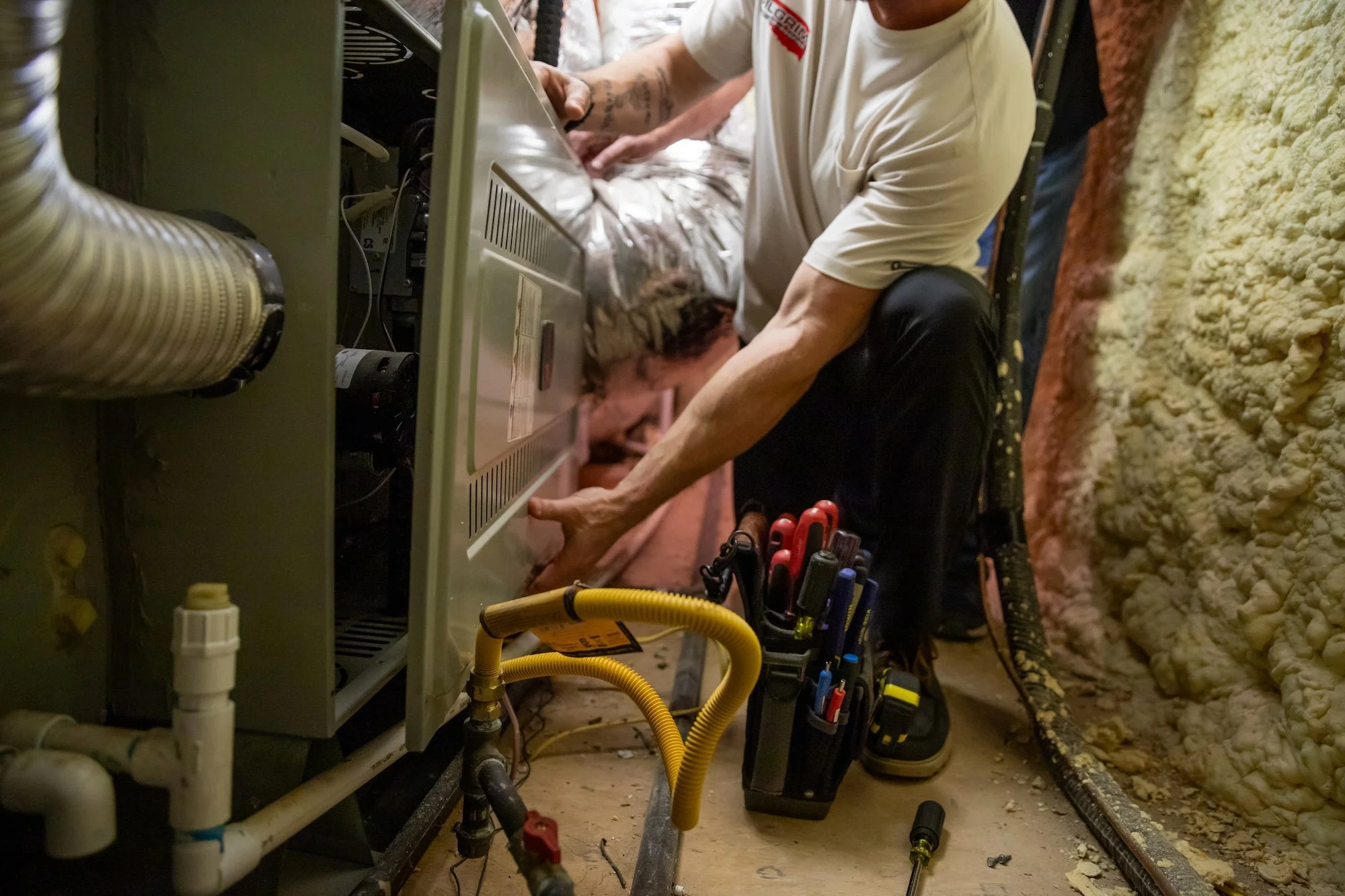
However, problems involving gas components, electrical controls, combustion systems, internal motors, or safety devices should be handled by a qualified HVAC professional. Professional furnace repair Orange County services can involve systematic testing to determine whether the problem is isolated or connected to another part of the heating system.
How Homeowners Can Reduce Repair Complexity
Regular maintenance can help identify developing problems before they become major failures. Replacing filters according to the manufacturer’s recommendations, keeping vents unobstructed, paying attention to unusual noises or smells, and arranging periodic professional inspections can help maintain reliable operation.
It is also useful to keep records of previous repairs and furnace maintenance. This information can help a technician understand recurring problems and determine whether a component has been replaced previously.
Final Thoughts
Furnace repairs become more complicated when multiple components or systems are involved. Airflow restrictions, aging equipment, electrical faults, ductwork problems, ignition issues, and safety controls can overlap and produce similar symptoms.
For Orange County homeowners, recognizing the difference between a basic maintenance issue and a potentially complex furnace problem is important. Simple checks can sometimes identify an obvious cause, but persistent or unusual problems deserve professional diagnosis. Addressing issues early can help prevent a small malfunction from developing into a more extensive heating-system failure.
